
The Internet of Things in Assisted Reproduction
Palmer et al., Reproductive BioMedicine Online (RMBO), 2023
Abstract
The Internet of Things (IoT) is a network connecting physical objects with sensors, software and internet connectivity for data exchange. Integrating the IoT with medical devices shows promise in healthcare, particularly in IVF laboratories. By leveraging telecommunications, cybersecurity, data management and intelligent systems, the IoT can enable a data-driven laboratory with automation, improved conditions, personalized treatment and efficient workflows.
The integration of 5G technology ensures fast and reliable connectivity for real-time data transmission, while blockchain technology secures patient data. Fog computing reduces latency and enables real-time analytics. Microelectromechanical systems enable wearable IoT and miniaturized monitoring devices for tracking IVF processes. However, challenges such as security risks and network issues must be addressed through cybersecurity measures and networking advancements. Clinical embryologists should maintain their expertise and knowledge for safety and oversight, even with IoT in the IVF laboratory.
KEY WORDSAutomation • Cloud computing • Deep tech hub • Fog computing • Interconnectivity • Laboratory devices
Introduction
Simple or intricate internet-connected devices are collectively known as the Internet of Things (IoT). It was estimated that there were 12 thousand million devices in 2020, with a predicted rise to over 27 thousand million by 2025 (Hasan, 2022). The global IoT market was worth USD 233 billion in 2022 and is projected to be worth USD 744 billion by 2030 (Precedence Research, 2023).
Little is known about the current use of such devices in assisted reproductive technology (ART) laboratories; however, ART has been heading along a course of constant improvement since its introduction (Niederberger et al., 2018). The evolving profession of clinical embryology is governed, in part, by advances in biological and medical sciences and now by computing, artificial intelligence (AI) and a hint of automation. The profession restrained for many years by the precision and dexterity of the operatives is being challenged by the introduction of automated systems of micromanipulation, incubating embryos, vitrification and cryostorage (Lui et al., 2015), and clinician's decisions being challenged by automated annotation and the promise of AI (Aung et al., 2021) for aspects such as gamete and embryo selection. There are several encouraging AI tools now available for use during IVF (Dimitriadis et al, 2022) and with the use of cutting-edge technology to improve treatment outcomes, loosely called ‘Deep Tech’, there is now the goal of accurate and personalized diagnoses and treatments, an improvement of efficiency and hopefully a reduction in costs (Brayboy & Quaas, 2023).
The digital laboratory can now be equipped with electronic traceability, and cloud computing can reduce its reliance on paperwork (Evans, 2016), access laboratory parameters remotely (Keck et al., 2005), have critical equipment monitored 24/7 (Magli et al., 2008) and reduce errors by electronic systems alerting the staff of protocol deviations and mismatch proximity violations (Thornhill, 2013). As more technological advances are being used in medicine and society, this review looks at the almost inevitable introduction of interconnecting devices helping our profession. Since many words have been plundered from nature (Love, 2019) to describe new technological advances, such as ‘web’, ‘cloud’, ‘stream’, ‘fibre’, the analogy can be extended to say that IoT is like an ecosystem of electronic devices communicating and influencing each other. There is, however, no single, universal definition – the IoT generally refers to systems where network connectivity and computing capability extend to objects, sensors and everyday items not normally considered computers, allowing these devices to generate, exchange and consume data with minimal human intervention. The IoT brings the power of the internet, data processing and analytics to the real world of physical objects. It has already been adopted by several companies aiming for ‘smart homes’, enabling the control of many interconnecting but separate systems in people's abodes (Rock et al., 2022).
The internet has become the most ubiquitous and omnipresent of all digital technologies. It has remained invisible and seamless in all walks of life but was a product of people connecting. The internet of people now becomes the internet of things where each device can sense and communicate with all the other ‘things’ (Weiser, 1991). For the IoT to function there are sensors which use a platform that would collate data, analyse them and extract information, which would then be shared with other devices, including feedback to itself for improved performance (Bonomi, 2011). Soon we will not just see the IoT managing domestic appliances to manage the most cost-effective heating and lighting systems, or even restock the fridge or suggest a menu from existing food stored in the refrigerator, but will also see it expanding out into the health service. This could easily be transferred to routine clinical laboratories such as those involved in IVF, addressing the desire to never run out of stock and be forewarned when there are delays in orders. Already, there is the first reference to using IoT in an IVF setting (Sra et al., 2017) where such interconnected devices were demonstrated to better monitor and operate their facilities.
Acclaimed computer scientist Mark Weiser said, ‘the most profound technologies are those that are invisible and weave indistinguishable into everyday life’ (Weiser, 2016). The term ‘IoT’ was coined in 1999 by Kevin Ashton, the father of the terms ‘ubiquitous computing’, ‘everywhere’ (using any computer, in any location) and ‘calm computing’ (the effortless interaction with humans), during his work at the Procter & Gamble corporation. Ashton was working in supply chain optimization and wanted to attract senior management's attention to an exciting new technology called radiofrequency identification (RFID). The IoT is not just one principle but is underpinned by many advances in information technology such as cloud computing, RFID tags, Bluetooth low energy (BLE) communications and 5G telecommunications, which promises to push the computational frontier still further. When the IoT is integrated into the IVF community how will this change our own profession and what form will it take?
The ideal place to analyse and act on most IoT data is near those very devices. To this aim, ‘fog computing’ enhances the performance of the IoT by analysing devices that produce data near to the devices without the need to relay the information to the cloud, and acting immediately on that information (Kumari et al., 2018). Examples include industrial controllers, switches, routers, embedded servers and video surveillance cameras. These ‘fog nodes’ are located closer to the data source and have higher processing and storage capabilities.
The IoT in Healthcare
The vast majority of IoT devices belonging to commercial industries focus on streamlined modern living, cost cutting and home surveillance, such as heating and lighting, household surveillance, engineering, agriculture or medicine (Nižetić et al., 2020). The IoT has the potential to reimagine healthcare outcomes through its connective digital nature.
The idea of medical care integrated into the home is becoming more commonplace and could improve care without interfering extensively in a person's daily life. Yang and colleagues (Yang et al., 2014) proposed a medicine box linked with a ‘wearable’ as an improvement in telemedicine as global ageing is a growing concern; this would restructure a hospital-centric view and reduce costs. Especially when 25% of patients do not follow doctor's instruction for drug administration these applications of IoT/RFID tags to monitor home medication management could improve the quality of life through compliance, simply acting as a medical reminder, creating homecare without disturbance (Zanjal et al., 2016). Homecare IoT alleviates time on check-ups, and parameters can be monitored from afar in combination with other devices. Applications that have been suggested are mobile and sensor technology integrated into cancer care (Patrick et al., 2011). It can also monitor well-being, be used as adherence monitoring for healthcare at home to follow who complies with doctors’ orders and be used as a first aid alarm (Al-khafajiy et al., 2019).
In the field of reproductive medicine, the use could be extended to patient history, aetiology, demographics, and the follicular response coming from IoT devices such as self-operated endovaginal telemonitoring and hormone and ultrasound tests at home (Gerris et al., 2014). Sperm collection, sperm assessment, sperm preparation and cryostorage are all in the realm of home care potential. Electronically controlled delamination features on packaging such as medicines can monitor when the package seal has been opened (Vella et al., 2009). In addition, printed electrodes, high-performance components and electrodes are becoming very thin and can be placed on flexible surfaces or textiles (Virkki et al., 2017). Sensors are getting increasingly smaller and can be miniature RFID tags or flexible bio-patches (Virkki et al., 2017). The use of BLE-based sensors, which utilize a low-energy Bluetooth communication protocol, has seen significant growth. This protocol requires up to 100 times less energy compared with standard Bluetooth communication. BLE-based sensors are employed in various applications, such as wearable armbands for mobile electrocardiographic monitoring (Rahchim and Chung 2016), wireless ring-type pulse oximeters (Huang et al., 2014) and even brain activity monitoring (O'Sullivan et al., 2018). These sensors offer energy-efficient solutions for collecting and transmitting data wirelessly in these contexts. In addition, microelectromechanical systems are already present in some microfluidic devices (Ashraf et al., 2011), which can range in size from 20 micrometres to a millimetre (i.e. 0.02 to 1.0 mm).
Another way in which we may interact more fluidly is through haptic or 3D touch technology, which applies the forces of pressure or vibration to interface with the operator, often being used to control objects or to enhance remote control. This ‘force feedback’, recoil or momentum can be recognized in gaming consoles and virtual reality devices. This extra interaction can be an early-warning system on devices that interface with the human body. Tapping is also a form of haptic technology most seen on wrist watches and health monitors since 2015 (Apple Watch, 2018). In fact, Amazon, the multinational technology company formally focusing on e-commerce, is working on a haptic wrist band to guide storeroom employees to the correct inventory and alert them if one is incorrect for their assignment (Amazon Technologies, 2018).
In medicine, however, perhaps the greatest body of work in IoT and smart devices has been done in the fight against critical conditions, in particular diabetes in preventing hyperglycaemia and hypoglycaemia (Alfandi, 2022). Several applications, such as continuous glucose-monitoring devices, have hit the market, allowing the wearer to check information and detect trends (Fokkert, 2020). In addition, smart insulin pens (Gocap,Common Sensing, USA, InPen, Medtronic Diabetes, Europe, and Esysta,Emperra, Germany) have the ability to automatically record the time, amount and type of insulin injected in a dose, and recommend the correct type of insulin injection at the right time. These devices interact with a smartphone that can store long-term data, help individuals with diabetes calculate their insulin dose, and even (in the case of the Gocap) allow them to record their meals and blood sugar concentrations. Several closed-loop (automated) insulin delivery systems allow automatic administration to individuals with diabetes, automatically adjusting the amount of insulin delivered to their system, as the artificial pancreas system helps to keep blood glucose within a safe range (Chaudhuri, 2018). This technology may also become useful in IVF. Asthma sufferers too may soon have smart asthma monitors and smart inhalers, giving benefits of improved adherence, greater consistency and improved transparency by generating reports on inhaler use that can be shared with a patient's doctor (Chapman, 2010).
There has been a tremendous uptake of fitness wearables. Apart from ‘lifelogging’ through the powerful concept of smart watches and ‘wearables’, Apple have come up with a variety of applications to aid health and well-being. Apart from US Food and Drug Administration (FDA) clearance for an irregular heart rhythm notification on the Apple Watch (Perez et al., 2019) Apple have developed a number of open-source research tools designed to help developers create apps for managing medical conditions that look at a variety of disorders such as Parkinson disease and depression (Lakshminarayana et al., 2017) or just for keeping track of essential fitness data such as maximal oxygen consumption over time and alerting the wearer when there are significant feedback changes.
Even the most recent healthcare challenge of the COVID-19 pandemic could benefit from the connectivity of the IoT (Kamal et al., 2020; Singh et al., 2020) The wealth of collective knowledge could be used for the predictive modelling of hospital admissions and to follow the movement of spread. Social distancing policies could be designed in city transport and such movement violations could be policed – food for thought for ethicists and freedom-lovers.
The IoT will without doubt form some kind of service within core health services on national and international levels. The use of GS1 standard barcode tracking in the UK National Health Service (NHS) Scan4Safety programme has the potential to save lives and save billions for the NHS by improving supply chain management in healthcare (Dept. Health & Social Care, UK, 2020). This UK Department of Health and Social Care Project is already helping staff to quickly and easily track each patient through their hospital journey; from the unique barcodes on wristbands patients receive when they enter hospital, to the barcodes used to record their medication and the equipment used in their treatment, each code can be scanned to show which member of staff administered each treatment, at what time and where. Similar initiatives have also been developed in other countries including Norway, Japan and Ireland among others (Dept. Health & Social Care, UK, Press release, 2023). All these advances with the IoT have the power to transform the medical management that has suffered in the past from non-individual diagnosis and treatment and the imbalance of resources. Previously, strategies have not been completely data driven, with procedures in the medical industry often relying on experience. Linking data together in an unprecedented way may lead to precision medicine.
The emergence of 5G technology, able to supply fast connectivity through a large bandwidth and with lower latency, has the ability to connect to larger medical devices without congestion. Giving remote access to a near-live (real-time) experience. For example, there would be no instrument delay in performing remote robotic surgery. Advances in mobile networks mean that IoT can rely on 5G data transfer speeds up to 100 times faster than the actual standard 4G LTE (Long-Term Evolution) network.
Enhanced communication speed transferring large amounts of computational data has been facilitated in recent years using blockchains (McMahan et al., 2017). These are distributed peer-to-peer networks, which answer the need for effective and efficient information exchange across organizations, institutions and countries. Immutable and highly secure, they provide access to vast amounts of data using ‘smart contracts’ (Khan et al., 2021) to secure confidentially and integrity. This way of distributing data is a safe approach to manage, control and secure IoT devices (Khan & Saleh, 2018), and the use of parallel computing will play an important role in the development of an efficient and intelligent IoT (Yang et al., 2021).
Hickman (2020) outlines a systematic review of blockchain uses within the healthcare industry, with a particular focus on the IVF field. The review revealed 55 studies proposing various blockchain models with different uses in healthcare. Most blockchain publications (69%, 38 papers) were in the area of general health, followed by clinical trials/biomedical research. The search across all databases did not reveal any blockchain proposed for the purpose of IVF/fertility, but over half of the publications (56%) propose blockchain for electronic medical records (EMR) and 13% promote patient monitoring.
The use of a blockchain with data sharing allows for large prospective cohort studies, which are at present restricted by low numbers, quality and the lack of diversity (the apparent blight of current AI in ART). The promise of using ‘big data’ to bring about a reduction in interclinic variability and provide a greater pool of data may revolutionize the research process. Few disagree with the ability of IoT to speed up research as the time to gather data can be significantly decreased. If every tool is connected and a vast dataset accumulated through blockchain exchange, will this change how medicine is practised and a diagnosis chosen? Will this connectivity provide the best-case scenario? It could be a means to treat a particular patient and automatically create the ultimate ‘evidence-based’ studies available from anywhere, including advice from experts, constantly updated (Macklon et al., 2019), where the best pooled data can not only be assimilated, but also finally be context based, as proposed by Fauser (Macklon & Fauser, 2019). At the very least blockchain-based technologies will promote collaborative research in a way that would be extremely insecure without its immutable nature.
The Potential of the IoT in ART
ART has constantly improved and refined with the implementation of quality control. This has moved the field of clinical embryology from being observational and subjective to becoming an objective clinical science (Matson et al., 1998). But quality management needs data to be acted upon, and with more parameters and points of reference, the more precise the analysis can become. IoT offers this. All existing sectors of ART will benefit from more digital integration into IVF. Present electronic witness and tracking devices are open to incorporation into the IoT world. Connectivity and the power to act upon lines of communication will facilitate a precise way of working rather than relying on individuals or a group of individuals to drive clinical success through experience, personal dexterity skills in embryology and quality control diligence in monitoring the laboratory, its equipment and the gametes and embryos.
IOT has the potential to centralize data currently spread over either paper-based or electronic spreadsheets or different legacy software systems. These multifunctional digital networks can provide continuous supervision, preventative reviews, assessments and actions. This capability of orchestrating effective and successful systems will allow embryologists to focus on more clinical matters and personalize patient care, something that is very much needed in the ever-increasing workload burden experienced in today laboratories (Veiga et al., 2022). Data flow and the implementation of an IoT system for use in an IVF laboratory are illustrated in Figure 1.
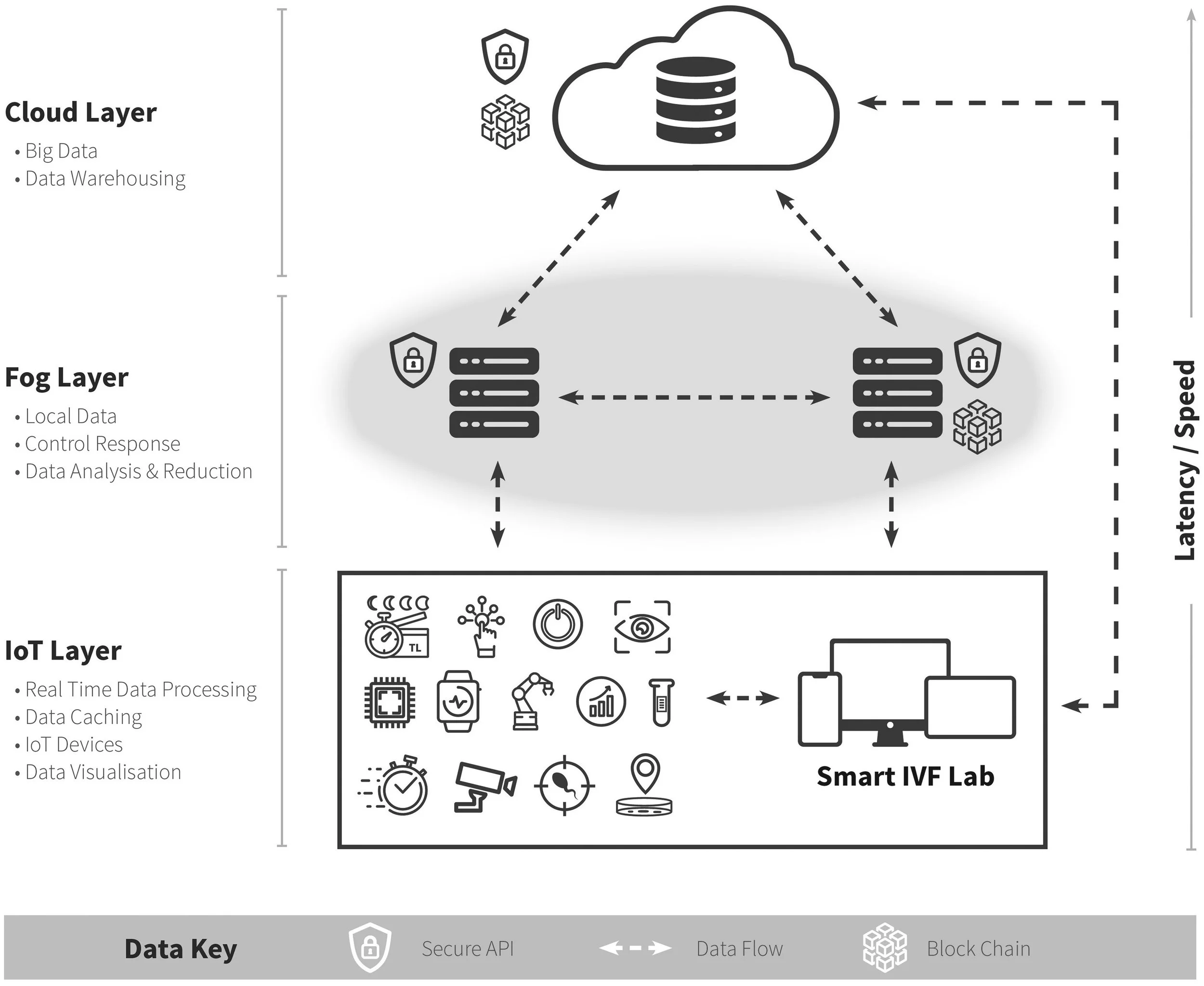
Figure 1 Schematic representation of the data flow and implementation of an IoT system in an IVF laboratory.
Facility management and equipment monitoringMonitoring of laboratory equipment is paramount to ensuring good use and is part of many laboratories’ total quality management. In some countries it is even mandatory that all critical equipment be equipped with 24/7 monitoring (HFEA, UK 2021).
Cryogovernance, or the management of the cryopreserved inventory after ART, is one of the biggest concerns for laboratory managers and clinic owners worldwide (Alikani, 2018, Schiewe et al., 2019), while a majority feel that they are duplicating work due to a lack of technology (Murphy et al., 2022). Research shows that laboratories have varying diligence (Palmer et al., 2019), but a host of remote systems are available including real-time monitoring and thermal imaging (Cairo Consensus, 2020) to reveal the first signs of Dewar failure. Collective data concerning periodically monitored parameters, inspections and equipment performance will give laboratory managers an early warning of potential adverse incidents.
Planned preventative maintenance is a common practice in which a timely servicing of equipment can be performed. An opportunity for a change of new parts and calibration can be achieved. In a busy clinic this can be time-consuming and laborious, and involve at the very least an annual visit by a trained verified technician. Often paperwork is accumulated, and records of the equipment's life history are usually stored on an in-house database. Imagine then, a constant evaluation of the laboratory's well-being, able to react to external updates without a technician. A self-diagnosing piece of machinery could update and even upgrade over the cloud or alert technicians of a sub-optimum operation or drift and by itself call for a service. Smart cars already do this and in an adverse incident can call upon assistance (Park et al., 2019). The OnStar Corporation, a subsidiary of General Motors (USA), can act with monitoring, security and safety features in cars that use global positioning system (GPS) and IoT devices. This model should be implemented in features of IVF and its laboratories (OnStar, 2023).
A turning point for telemedicine could be wearables like the smart watches that are equipped with ever-increasing health functions including the ability to detect whether the wearer has fallen down, has not moved for a while and cannot call for help. (Qian, 2020). One novel use of IoT in assisted reproduction is that proposed by the TMRW company (USA), which suggests the robotic monitoring, clinical management and tracking of stored cryopreservation specimens (Logsdon et al, 2021). An IoT system could allow patients as well as practitioners to check on the location and temperature of specimens around the clock. In addition, it could provide instantaneous audits, negating the need for laboratory personnel to check Dewars and go through stacks of paperwork.
InstallationsResidents of smart homes currently enjoy the convenience of preparing the house for their return. This concept can be extended to laboratory settings, specifically in assessing and optimizing the laboratory environment in terms of light, temperature, gas monitoring and air quality. Air quality plays a crucial role in embryo development and success rates (Mortimer et al., 2018). Gametes and embryos are highly sensitive to airborne threats at the parts per billion (ppb) level (Sciorio et al., 2021), which can now be detected by advanced sensors (Elmi et al., 2008). In the context of an IVF laboratory, a smart volatile organic compound meter (Prasad et al., 2011) connected to environmental sensors can automatically activate airflow adjustments to reduce the build-up of harmful contaminants. Furthermore, by integrating meteorological and environmental data, the laboratory conditions can proactively respond to adverse external air quality, such as that caused by forest fires or road construction (Hall et al., 1998).
These ‘smart labs’ have the potential to prevent periods of sub-optimal success by reacting in a timely manner to input data and can even enter a shutdown mode to prevent extreme conditions, similar to a submarine (submarine mode). The number of laboratories equipped with remote incubator and Dewar performance tracking is increasing. Such systems can be achieved by equipping incubators with remote sensors (PharmaWatch, XiltriX) tracking carbon dioxide, pH (SafeSense, Vitrolife) and temperature, streamed to a cloud-based app (Reflections, USA) monitoring all quality control procedures and combining this with manually input data or several streaming services monitoring Dewar temperatures. Incubator data can also be tracked by tracking built-in sensors using the data ports (Shivani, India).
Automation, IoT equipment and trackingThe ART industry should take note of the increasing automation being introduced to this field, which has traditionally relied on the dexterity of reproductive scientists. Systems such as partially automated vitrification (Arav et al., 2018; Dal Canto et al., 2019) and time-lapse annotation are reducing the skill required of embryologists. In fact, research has shown that with partially automated vitrification, less experienced embryologists can perform the techniques as proficiently as more experienced ones (Miwa et al., 2020). Microfluidic devices, such as a passive sperm selection device (ZyMōt Sperm Separation Devices, ZyMōt Fertility) and encapsulated features in a ‘lab in a box’ that can perform many operations usually carried out by the clinical embryologist, are also being introduced to laboratories. The development of lab-on-a-chip technology, which combines metabolomics, image analysis and microfluidics (Costa-Borges et al., 2021; Meseguer et al., 2012) into a single smart device, is also on the horizon.
With remote monitoring, it may soon be possible to control certain aspects of ART procedures from afar. Researchers are studying robotic intracytoplasmic sperm injection (ICSI) (Lu et al., 2011), with the likelihood of automated and even remote ICSI becoming a reality in the near future. This could include individual sperm immobilization using computer vision and AI, sperm retrieval and control, oocyte positioning and sperm injection. Automation control of micromanipulation and pipetting can be achieved using either a gaming or computer interface, enabling ICSI to be performed from a remote location. Full or partial autonomous control of such processes, with continuous IoT monitoring, is likely to become the platform for IVF procedure management.
Cloud computing is already being used to help off-site laboratory managers with insights into quality control data and key performance indicators, embryologist competency and compliance (Althea Science Inc., 2023; IVF Compass Inc., 2020), and centralization of data management in laboratory management through integrated information management systems like the Q box from Merck (Merck Company, 2018). Q box is designed as an integrated information management system for ART instruments in IVF clinics and laboratory environments. Its primary function is to receive patient demographics and cycle details from a connected EMR and interact with IoT devices to transfer information (e.g. incubation results, workflow documentation) back and forth. Automated data transfer within a clinic must be secure and timesaving, and reduce the potential for data transmission errors.
Inventory, traceability and competenceAs the cryopreserved inventory of gametes continues to grow worldwide, there is a pressing need for better tracking and monitoring of cryopreserved shipments to ensure transparency and accountability. Patients expect the same level of tracking and traceability from gamete storage and transport as they would from e-commerce companies. To address this issue, companies such as Kustodian (Palmer et al., 2020), TMRW Life Sciences (Logsdon et al., 2021) and Cryoport (Cryoport Systems, 2023) have developed various systems, including liquid nitrogen-tolerant RFID tags, automated and traceable embryo storage, and condition monitoring systems that track key parameters of the shipment process and record the GPS position, pressure, orientation and impact damage.
To achieve comprehensive traceability and adhere to global market standards, the use of IoT may provide the necessary framework. For example, the concept of ivfOpen (Forbes, 2020) proposes an industry-wide system that generates a unique identifier for each specimen at its point of origin, creating a universally queryable source of identity that follows the specimen anywhere in the world, with no possibility of identifier duplication. Although the Single European Code for tissues and cells addresses this issue to some extent, it lacks worldwide acceptance and implementation (EUC Directive, 2015).
Currently, IVF laboratories lack the basic monitoring consumables such as those found in most supermarkets. Real-time location systems (RTLS) have been successfully applied in healthcare facilities to improve patient traceability, equipment disinfection, hygiene protocols and hospital security. However, their potential application in IVF laboratories is largely unexplored (Kamel-Boulos et al, 2012). For example, an IoT-integrated dish could alert the system if it is not cultured optimally and send an alarm if handled incorrectly outside the incubator. Another potential application is a BLE-based RTLS that can track practitioners and patient care conditions in real time.
Tracking consignments from arrival at the clinic to use in the laboratory is a laborious and time-consuming process. Good practice and regulations require each specimen to be traceable to its source to determine which equipment, reagent or disposable was used for a particular patient, gamete or embryo (HFEA UK, 2021). Inventory smart scanners could be used when accepting media and other disposables into the laboratory, eliminating the need to write down batches, dates and invoice checks. Barcode or RFID trackers could be used to enter and track locations and use, much like a supermarket checkout. Continuous inventory monitoring could send results to the accounting department to assess financial implications while also notifying suppliers to restock. Sharing information between satellite groups instead of working independently could lead to considerable cost savings for a chain of clinics in the same health group.
Role in reducing errors, optimizing competency and improving administrative dutiesThere is no doubt that the imminent use of AI on a large scale will aid embryologists in decision-making processes, and not just those limited to embryo selection. Private groups are actively involved in automatically ranking embryos, using still images (Chavez-Badiola et al., 2020; VerMilyea et al., 2020), time-lapse composite videos (Kragh et al., 2019), oocytes (Nayot et al., 2021) and even the selection of single spermatozoa during ICSI (Mendizabal-Ruiz et al., 2022). It is also no surprise that the American Society for Reproductive Medicine has a Special Interest Group on AI implementation in ART (ASRM AISIG, 2023), and an international society on computational embryology has been established (AIFS, 2022). AI may considerably assist the decision-making process, and a conditioned automation with human back-up and oversight may be imminent, much like in the automotive industry, where automated car production is assisting human supervision (Hancock et al.,2019). As AI expands the connectivity of IoT, the IVF laboratory is poised for other advances as new technologies emerge. There has already been a deep learning assisted warning system for embryo conditions and embryologist performance (Bormann et al., 2021).
Involuntary automaticity, or ‘autopilot,’ without conscious awareness, is a significant contributor to errors (Toft and Mascie-Taylor, 2005). Alarms can serve as notifications to operators regarding any deviations, such as mismatches (where two sources of the patient's genetic material should not be in close proximity) or temporal discrepancies in timely events. Leveraging IoT, the existing tracing systems available today can be expanded to include the identification of inter-patient errors in various situations and locations (Gardner et al., 2021; Holmes et al., 2021). Similarly, actions that are performed at the wrong speed or in an incorrect sequence can be promptly flagged within the IoT laboratory, thereby avoiding the sub-optimal treatment of gametes and embryos. With such advancements, the need for a laboratory timer during vitrification procedures may be eliminated. An AI system could observe and inspect the procedural steps, assisting in ensuring smooth operations. It could also refine protocol timings, measure performance and maintain a record of competency. By highlighting deficiencies in training, it could contribute to the design of an effective training regime.
Assuming that mistakes and non-conformities still occur in this Utopian laboratory, having everything connected to everything else could lead to a sophisticated failure mode and error analysis of events. Collection and pooling of the data that AI systems require could be shared. Optimizing IVF protocols may be facilitated by knowing what the best strategy would be for every case, instead of relying on individual experience. All known scenarios of a collective database would assist in considering the best protocol in the laboratory, heralding precision medicine. This requires refined data reporting usually not presented by EMRs, but new business intelligence systems (Diro, IVFqc, and Microsoft Power BI) could be game changers (IVFQC Althea Science, 2023, Microsoft Corporation, 2023)
Staffing levels could also be explored based on each individual's performance, strengths and weaknesses, including preferences, and a real-time assessment of each embryologist could be computed. One such system has already explored individual embryology staff experience, short- and long-term planning and changing caseload (Fertility Connect, USA). Lengthy and time-consuming external audits and benchmarking could be a thing of the past if each embryologist were connected to their own personal but pooled performance data. Gaps in training could be addressed and training schedules adapted.
Furthermore, harnessing data with an IoT Deep Tech hub could assist the embryologist with real-time recommendations (Merck Company, 2018) to help in daily duties. Moreover, the potential of utilizing data in the context of Deep Tech is immense. A prime illustration of this is an IoT Deep Tech hub that can leverage the data collected by all the IoT devices. By doing so, it can provide real-time suggestions regarding precise actions to be taken within an IVF laboratory. Furthermore, this hub can take into account additional information, such as the health records of the parents, laboratory screenings and fertility tracking data. Notably, these diverse data sources can be as commonplace as cell phones or EMR (Zwingerman et al., 2020).
The integration of IoT devices and advanced imaging in a Deep Tech hub enables the acquisition of valuable insights and the application of data-driven recommendations in real time. This convergence of technologies holds the potential to enhance the precision and effectiveness of IVF procedures, ultimately increasing the probability of successful pregnancies. It is worth mentioning that the wide availability and accessibility of devices, such as cell phones or EMR, contributes to the accumulation of relevant data that can be utilized by the IoT Deep Tech hub. This highlights the significance of harnessing the existing data sources to maximize the benefits derived from Deep Tech applications in the field of reproductive health.
Overall, the combination of IoT, advanced imaging and data analysis in the context of Deep Tech presents opportunities for optimizing IVF processes, leveraging various sources of data, and improving the chances of successful pregnancies for individual patients. The integration of these technologies facilitates personalized and data-driven decision-making in reproductive health.
Pitfalls and Potential
SecurityThe reliance on the internet and IoT devices represents the most serious challenge to implementation. Unlicensed and unprotected devices could lead to the perfect storm of data vulnerability.
Medical institutions, regardless of their size, continue to be targeted by unscrupulous individuals, similar to domestic and industrial establishments. The global WannaCry cyber-attack in May 2017 has reaffirmed the potential for cyber-incidents to impact directly on patient care and the need for health and care systems to act decisively to minimize the impact on essential frontline services. The WannaCry attack tore across the globe, infecting a quarter of a million machines in more than 150 countries in 2017. The major vulnerability was an unpatched version of Windows and was described as the largest ransomware attack ever seen (Mohurle and Patil, 2017).
Data are an inherently vulnerable asset that requires robust protection measures. In the context of IoT, privacy threats are widely regarded as the most significant criticism, potentially posing a significant barrier to its long-term success. This concern encompasses every IoT device, as there are numerous ways in which they can be breached, including tag cloning, spoofing, jamming, cloud polling and direct connection. To mitigate these risks, IoT devices must authenticate their identity through various methods, such as physical, wireless, network traces-based or deep learning-based fingerprinting (Mazhar et al., 2021). Additionally, blockchain technology can contribute to secure interfaces and provide decentralization and authentication within a security gateway architecture (Šarac et al., 2021).
In the case of IoT, the physical object itself becomes a key element to which attention needs to be paid. While fog nodes can process the data far quicker than sending the request to the cloud for centralized processing, this, and the potential of IoT, poses security concerns. Fog-driven data, compressed and queued, to limit and restrict the flow to the cloud, add further security issues (Khan et al., 2017). Each node must overcome unauthorized requests at every level: at the device level by cryptographic algorithms, at the network level, at the cloud level by using a trusted routing mechanism to avoid ‘eavesdropping’, and at the human level by training each person on data awareness, often updating passwords and security matters, including two-factor authorization and bio-fingerprinting. As medical professionals we acknowledge and live with data sensitivity, but this diligence may be varied in different regions. While information governance training is already practised in many clinics this often remains overlooked, and unfortunately the staff are the weakest links. A reluctance to update software, the use of inadequate or weak passwords and leaving the room with the computer unattended are the most common events leading to security breaches (Probst et al., 2010).
Commercial opportunities have driven the global growth of IoT. Low cost and high scalability have left domestic IoT susceptible to security breaches (Yuy et al., 2015). Examples of breaches are numerous and include cameras, gas stations, electricity meters, speakers, printers, coffee machines, thermometers, microphones, smart homes, smart light bulbs, TVs and, furthermore, cars, trains, dams, baby monitors, smart fridges, thermostats, drug infusion pumps and cardiac devices. All have been ‘hacked’ (Weston, 2021).
The Internet of Medical Things and special oversightThe Internet of Medical Things (IoMT) will need special oversight and attention. IoT devices are particularly susceptible to botnets, created by infecting multiple systems with malware and forming a collection of controlled devices across their own sprawling network (Falco et al., 2019). Similarly, ‘supply chain’ attacks are also an emerging threat that targets software developers and their suppliers. The goal is to ‘poison’ source code to be later inadvertently distributed to legitimate vendors, allowing access into a vast market that can be exploited. No viruses are used that will draw attention to malware so the poisoned product is passed down the supply chain onto unwitting clients and may even be included in updates. Although there are numerous possibilities to prevent supply chain attacks (Kost, 2023) the most infamous example to date is the SolarWinds company in Austin, Texas, USA, which impacted household name software companies and government agencies alike in a breach that took over a year to discover and was not noticed until December 2020 (Giles, 2021).
Finally, governmental oversight lags behind the rapid advances in technology, and regulatory commissions have so far failed to apply worthwhile rules to the manufacture of internet-connected devices (Fernandez and Fuks, 2020). In addition, when IoT hacking originates in a foreign country almost insurmountable questions arise about extraterritorial jurisdiction (Coco and Dias, 2021). Governmental regulations rarely permit data sharing for analysis across international borders, even though this can be of great benefit for regular medicine and especially for the emerging field of ART. There is a solution to this problem by using supposedly immutable blockchain databases, which permit the transfer of encrypted algorithms instead of patient data, thereby ensuring that data-sharing technologies meeting legal, ethical and information governance compliance standards (Gordon and Catalini, 2018).
Mandatory updates should be implemented in IoMT devices, and security issues must be advised as alerts or recalls, just as has been done for the medical devices industry by organizations such as the FDA in the USA (USFDA, 2023) or the UK Government in the UK (UK Government, 2023). Reporters investigating IoT devices and highlighting an intelligent thermostat breach for data breaches discovered over 14,000 compromised IoT devices (Horák & Huraj, 2019; Shaikh et al., 2018,). The practice of ‘hacking back’ retaliation by the victimized company is outlawed in the USA, where this violates a company's own code of privacy laws, so the best defence is a strong security policy.
IoMT devices should not use firmware (devices that cannot be updated) as they are especially vulnerable. In June 2020 Homeland Security issued an advisory warning comprising a set of 19 vulnerabilities that reside in low-level transmission control protocol/internet protocol (TCP/IP) software, allowing thousands of millions of internet-connected devices to be vulnerable to invasion of privacy (NCAS, 2020). Each company using the IoMT may in the future require a rigorous information charter that includes documented training and the appointment of key roles such as senior information risk owners and asset holders. Cyber-incident response teams to test and improve integrity should be consulted regularly. A cyber-incident response company can assist with testing and improving.
Companies such as Censys (ESNS-ASM, 2017) scan the surface internet IP space looking for active internet hosts as well as the Dark Web, including IoT devices; in addition, the search engine Shodan (Ho, 2021) indexes results related to IoT devices. Therefore, these companies work in tandem and should be consulted on a continuous basis. Asset holders must learn how to protect against such attacks by staying up to date with their official agency; the Cybersecurity and Infrastructure Security Agency (USA; Cybersecurity and Infrastructure Security Agency, 2021), The European Union Agency for Cybersecurity (EEC; ENISA, 2023), National Cyber Security Centre (UK; NCSC, 2023) and Canadian Centre for Cyber Security (Canada; CCCS, 2023) are among the foremost cybersecurity agencies and provide useful resources. Lastly, there is a growing independence on the internet that could be compromised either by chance ‘acts of God’ or intentionally.
For the time being, at least, the IoT relies, as the name implies, on the current World Wide Web. Advances with 5G technology will indeed improve speed but perhaps increase vulnerability due to the reliance on the existing electronic networks. Future improvements to enhance global coverage and continuous service include Starlink, a satellite internet constellation operated by SpaceX, which provides satellite internet services from space; these can achieve low transmission latencies in remote places or under adverse conditions, which may mitigate vulnerabilities and provide high redundancy due to the sheer number of satellites involved (Duan and Dinavahi, 2021).
The reliance on a single provider must be addressed, as highlighted by recent high-profile outages in large internet providers. Billions of people around the world rely on online services and this is apparent when services go down. In November and December 2020 Amazon Web Services US-East-1 and Google's online services both experienced a widespread outage lasting several hours, disabling connected homes and IoT devices (Bergen, 2020). This would be unacceptable if IoT were being used for medical means and every effort must be found to mitigate this. Reliance on the internet is crucial and server failover should be included in contingency plans to avoid a blackout of IoT medical devices. A redundant connection uses different providers and network carriers. This means that even if one network experiences difficulties, the other network can pick up the slack.
Conclusion
Clinical embryology is entering a new era where IoT, automation, AI and standard procedures will be increasingly intersecting and merging. Standardization achieved by the new approaches may benefit embryologists as well as patients. AI will be aiding decision-making and assisting conventional processes. This will likely improve precision and efficiency, perhaps even reducing the length of the training process of trainee embryologists. Likewise, AI will also facilitate new automation processes. These technologies will continue to edge into laboratories, just as automatic time-lapse and annotation systems have done for over a decade. This will help embryologists to become more objective, more consistent and more precise.
Until this process blends seamlessly into daily laboratory tasks, it is important to maintain proficiency in the practical and fundamental principles of clinical embryology. New technologies in the field will be subject to thorough evaluation and rigorous regulations, especially due to the intertwining of many disciplines. Therefore, it is crucial to always remain mindful of instances when the convenience and assistance provided by the IoT may be lacking. In such situations, reliance on the inherent intuitive understanding of embryology becomes necessary to navigate a path forward.
Data Availability
No data was used for the research described in the article.
-
Artificial Intelligence Fertility Society (AIFS). AIFS website. 2022. Available from: https://aifertility.org/
Al-khafajiy M, Baker T, Chalmers C, et al. Remote health monitoring of elderly through wearable sensors. Multimed Tools Appl. 2019;78:24681-24706.
Alfandi O. An intelligent IoT monitoring and prediction system for health critical conditions. Mobile Netw Appl. 2022;27:1299-1310.
Alikani M. Cryostorage of human gametes and embryos: a reckoning. Reprod Biomed Online. 2018;37:1-3.
Althea Science Inc. Reflections. 2023. Available from: https://www.reflectionsapp.net/
Amazon Technologies Inc. Ultrasonic bracelet and receiver for detecting position in 2D plane. US Patent 9881276 B2. 2018. Available from: https://pdfpiw.uspto.gov/
Apple Watch Series 3 now tracks skiing and snowboarding activity. 9to5Mac. 2018 Feb 28. Available from: https://9to5mac.com/2018/02/28/apple-watch-series-3-users-can-now-track-skiing-and-snowboarding-activity/
Arav A, Natan Y, Kalo D, et al. A new, simple, automatic vitrification device: preliminary results with murine and bovine oocytes and embryos. J Assist Reprod Genet. 2018;35:1161-1168.
Ashraf MW, Tayyaba S, Afzulpurkar N. Micro electromechanical systems (MEMS) based microfluidic devices for biomedical applications. Int J Mol Sci. 2011;12:3648-3704.
American Society for Reproductive Medicine (ASRM). Artificial Intelligence Special Interest Group (AISIG). 2023. Available from: https://www.asrm.org/membership/asrm-member-groups/special-interest-groups/groups/Artificial-Intelligence-Special-Interest-Group-AISIG/
Aung YY, Wong DC, Ting DS. The promise of artificial intelligence: a review of the opportunities and challenges of artificial intelligence in healthcare. Br Med Bull. 2021;139:4-15.
Bergen M. Google outage reignites worries about smart home without backup. Bloomberg. 2020 Dec 16. Available from: https://www.bloomberg.com/news/newsletters/2020-12-16/google-outage-reignites-worries-about-smart-home-without-backups
Bonomi F. Connected vehicles, the internet of things, and fog computing. In: Proceedings of the Eighth ACM International Workshop on Vehicular Inter-Networking (VANET); 2011 Sep 23; Las Vegas (NV), USA. p. 13-15.
Bormann CL, Curchoe CL, Thirumalaraju P, et al. Deep learning early warning system for embryo culture conditions and embryologist performance in the ART laboratory. J Assist Reprod Genet. 2021;38:1641-1646.
Brayboy LM, Quaas AM. The DIY IVF cycle—harnessing the power of deeptech to bring ART to the masses. J Assist Reprod Genet. 2023;40:259-263.
Cairo Consensus Group. Cairo Consensus Guidelines on IVF culture conditions. Reprod Biomed Online. 2020;40(1):33-60.
Canadian Centre for Cyber Security (CCCS); Communications Security Establishment (Canada). CCCS website. 2023. Available from: https://www.cyber.gc.ca/en/
Chapman KR, Barnes NC, Greening AP, et al. Single maintenance and reliever therapy (SMART) of asthma: a critical appraisal. Thorax. 2010;65:747-752.
Chaudhuri A. Internet of Things, for Things, and by Things. Boca Raton (FL): CRC Press; 2018.
Chavez-Badiola A, Flores-Saiffe Farias A, Mendizabal-Ruiz G, et al. Predicting pregnancy test results after embryo transfer by image feature extraction and analysis using machine learning. Sci Rep. 2020;10:4394.
Cybersecurity and Infrastructure Security Agency (CISA). Advisory on Russian GRU brute force campaign. 2021 Sep 28.
Coco A, de Souza Dias T. ‘Cyber due diligence’: a patchwork of protective obligations in international law. Eur J Int Law. 2021;32:771-806.
Costa-Borges N, Giralt G, Albó E, et al. O-122 ICSI in a box: development of a successful automated sperm injection robot with external supervision and minimal manual intervention. Hum Reprod. 2021;36:deab126.047.
Cryoport Systems, LLC. Unmatched traceability and shipment monitoring. 2023. Available from: https://www.cryoport.com/ivf-blog/unmatched-traceability-and-shipment-monitoring-only-at-cryoport
Dal Canto M, Moutier C, Brambillasca F, et al. The first report of pregnancies following blastocyst automated vitrification in Europe. J Gynecol Obstet Hum Reprod. 2019;48:537-540.
Department of Health & Social Care (UK). Scan4Safety (GS1). 2020. Available from: https://healthcare.gs1uk.org/scan4safety/
GS1 UK. Scan4Safety and GS1 standards underpin key aspects of government response plan to IMMDSR (press release). 2023. Available from: https://www.gs1uk.org/insights/press-releases/Scan4Safety-and-GS1standards-underpin-key-aspects-of-government-response-plan-to-IMMDSR
Dimitriadis I, Zaninovic N, Badiola AC, et al. Artificial intelligence in the embryology laboratory: a review. Reprod Biomed Online. 2022;44:435-448.
Duan T, Dinavahi V. Starlink space network-enhanced cyber–physical power system. IEEE Trans Smart Grid. 2021;12:3673-3675.
Elmi I, Zampolli S, Cozzani F, et al. Development of ultra-low-power consumption MOX sensors with ppb-level VOC detection capabilities for emerging applications. Sens Actuators B Chem. 2008;135:342-351.
European Union Agency for Cybersecurity (ENISA). ENISA website. 2023. Available from: https://www.enisa.europa.eu/
Censys. Censys attack surface management. 2017–. Available from: https://censys.io/
European Commission. Directive (EU) 2015/565 amending Directive 2006/86/EC: Single European Code (SEC) for tissues and cells. Off J Eur Union. 2015 Apr 9.
Evans RS. Electronic health records: then, now, and in the future. Yearb Med Inform. 2016;S48-S61. PMCID: PMC5171496.
Falco G, Li C, Fedorov P, et al. Neuromesh: IoT security enabled by a blockchain powered botnet vaccine. In: Proceedings of the International Conference on Omni-Layer Intelligent Systems; 2019 May 5. p. 1-6. Available from: https://dl.acm.org/doi/10.1145/3312614.3312615
Fernandez A, Fuks L. New IoT security regulations: what you need to know. Allot blog. 2020 Jan 30. Available from: https://www.allot.com/blog/new-iot-security-regulations-what-you-need-to-know/#
Fokkert M, Van Dijk PR, Edens MA, et al. Performance of the Eversense versus the Free Style Libre flash glucose monitor during exercise and normal daily activities in subjects with type 1 diabetes mellitus. BMJ Open Diabetes Res Care. 2020;8:e001193.
Sable D. IVFopen: advanced egg, sperm and embryo identification for a safer IVF industry. Forbes. 2020 Sep 20. Available from: https://www.forbes.com/sites/davidsable/2020/09/20/ivfopen-advanced-egg-sperm-and-embryo-identification-for-a-safer-ivf-industry/
Gardner D. ‘The way to improve ART outcomes is to introduce more technologies in the laboratory’. Reprod Biomed Online. 2021.
Gerris J, Delvigne A, Dhont N, et al. Self-operated endovaginal telemonitoring versus traditional monitoring of ovarian stimulation in assisted reproduction: an RCT. Hum Reprod. 2014;29:1941-1948.
Giles M. SolarWinds’ CEO wants to give the hackers who attacked it a headache by massively multiplying code. Forbes. 2021 Oct 27.
Gordon WJ, Catalini C. Blockchain technology for healthcare: facilitating the transition to patient-driven interoperability. Comput Struct Biotechnol J. 2018;16:224-230.
Hall J, Gilligan A, Schimmel T, et al. The origin, effects and control of air pollution in laboratories used for human embryo culture. Hum Reprod. 1998;13:146-155.
Hancock PA, Nourbakhsh I, Stewart J. On the future of transportation in an era of automated and autonomous vehicles. Proc Natl Acad Sci U S A. 2019;116:7684-7691.
Hasan M. State of IoT 2022: number of connected IoT devices growing 18% to 14.4 billion globally. IoT Analytics. 2022 Jun 14. Available from: https://iot-analytics.com/number-connected-iot-devices/
Human Fertilisation and Embryology Authority (HFEA). Code of Practice, 9th ed. 2021 Feb. Available from: https://www.hfea.gov.uk/
Hickman CF, Alshubbar H, Chambost J, et al. Data sharing: using blockchain and decentralized data technologies to unlock the potential of artificial intelligence: what can assisted reproduction learn from other areas of medicine? Fertil Steril. 2020;114:927-933.
Ho R. What is Shodan? How to use it & how to stay protected. Safety Detectives. 2021 Sep 19. Available from: https://www.safetydetectives.com/blog/what-is-shodan-and-how-to-use-it-most-effectively/
Zohair A. What is Shodan? Is it an IoT engine? Security Gladiators. 2020 Nov 30. Available from: https://securitygladiators.com/what-is-shodat/
Holmes R, Wirka KA, Catherino AB, et al. Comparison of electronic versus manual witnessing of procedures within the in vitro fertilization laboratory: impact on timing and efficiency. F S Rep. 2021;2:181-188.
Horák T, Huraj L. Smart thermostat as a part of IoT attack. In: Cybernetics and Automation Control Theory Methods in Intelligent Algorithms: Proceedings of 8th Computer Science On-line Conference 2019. Cham: Springer; 2019. p. 156-163.
Huang CY, Chan MC, Chen CY, et al. Novel wearable and wireless ring-type pulse oximeter with multi-detectors. Sensors (Basel). 2014;14:17586-17599.
IVF Compass Inc. ART Compass. 2020. Available from: https://artcompass.io/
Althea Science. IVFQC. 2023. Available from: https://ivfqc.com/
Kamal M, Aljohani A, Alanazi E. IoT meets COVID-19: status, challenges, and opportunities. arXiv. 2020 Jun 28. arXiv:2007.12268.
Kamel Boulos MN, Berry G. Real-time locating systems (RTLS) in healthcare: a condensed primer. Int J Health Geogr. 2012;11:25.
Keck C, Fischer R, Baukloh V, et al. Staff management in the in vitro fertilization laboratory. Fertil Steril. 2005;84:1786-1788.
Khan MA, Salah K. IoT security: review, blockchain solutions, and open challenges. Future Gener Comput Syst. 2018;82:395-411.
Khan S, Parkinson S, Qin Y. Fog computing security: a review of current applications and security solutions. J Cloud Comput. 2017;6:19.
Khan SN, Loukil F, Ghedira-Guegan C, et al. Blockchain smart contracts: applications, challenges, and future trends. Peer-to-Peer Netw Appl. 2021;14:2901-2925.
Kost E. 11 ways to prevent supply chain attacks in 2023. UpGuard. 2023. Available from: https://www.upguard.com/blog/how-to-prevent-supply-chain-attacks
Kragh MF, Rimestad J, Berntsen J, et al. Automatic grading of human blastocysts from time-lapse imaging. Comput Biol Med. 2019;115:103494.
Kumari A, Tanwar S, Tyagi S, et al. Fog computing for Healthcare 4.0 environment: opportunities and challenges. Comput Electr Eng. 2018;72:1-3.
Lakshminarayana R, Wang D, Burn D, et al. Using a smartphone-based self-management platform to support medication adherence and clinical consultation in Parkinson's disease. NPJ Parkinsons Dis. 2017;3:2.
Logsdon DM, Grimm CK, Schoolcraft WB, et al. Evaluation of the TMRW vapor phase cryostorage platform using reproductive specimens and in vitro extended human embryo culture. F S Sci. 2021;2:268-277.
Love R. The changing nature of language. Confidential report to the National Trust. The Guardian. 2019 Jul 31. Available from: https://www.theguardian.com/environment/2019/jul/31/tweet-web-cloud-technology-transforms-meaning-of-nature-words
Lu Z, Zhang X, Leung C, et al. Robotic ICSI (intracytoplasmic sperm injection). IEEE Trans Biomed Eng. 2011;58:2102-2108.
Liu J, Shi C, Wen J, et al. Automated vitrification of embryos: a robotics approach. IEEE Robot Autom Mag. 2015;22:33-40.
Macklon NS, Ahuja KK, Fauser BCJM. Building an evidence base for IVF ‘add-ons’. Reprod Biomed Online. 2019;38.
Macklon NS, Fauser BCJM. Context-based infertility care. Reprod Biomed Online. 2019.
Magli MC, Van den Abbeel E, Lundin K, et al. Revised guidelines for good practice in IVF laboratories. Hum Reprod. 2008;23:1253-1262.
Matson PA, Naylor R, Ortiz-Monasterio I. Integration of environmental, agronomic, and economic aspects of fertilizer management. Science. 1998;280:112-115.
Mazhar N, Salleh R, Zeeshan M, et al. Role of device identification and manufacturer usage description in IoT security: a survey. IEEE Access. 2021;9:41757-41786.
McMahan B, Moore E, Ramage D, et al. Communication-efficient learning of deep networks from decentralized data. In: Artificial Intelligence and Statistics. PMLR; 2017. p. 1273-1282.
Mendizabal-Ruiz G, Chavez-Badiola A, Figueroa IA, et al. Computer software (SiD) assisted real-time single sperm selection associated with fertilization and blastocyst formation. Reprod Biomed Online. 2022;45:703-711.
Merck. Merck introduces two new technologies for enhanced efficiency in fertility labs (press release). 2018. Available from: https://www.merckgroup.com/en/news/improved-efficiency-fertility-02-07-2018.html
Meseguer M, Kruhne U, Laursen S. Full in vitro fertilization laboratory mechanization: toward robotic assisted reproduction? Fertil Steril. 2012;97:1277-1286.
Microsoft Corporation. Power BI. 2023. Available from: https://powerbi.microsoft.com/en-gb/
Miwa A, Noguchi Y, Hosoya K, et al. Equivalent clinical outcome after vitrified-thawed blastocyst transfer using semi-automated embryo vitrification system compared with manual vitrification method. Reprod Med Biol. 2020;19:164-170.
Mohurle S, Patil M. A brief study of wannacry threat: ransomware attack 2017. Int J Adv Res Comput Sci. 2017;8:1938-1940.
Mortimer D, Cohen J, Mortimer ST, et al. Cairo consensus on the IVF laboratory environment and air quality: report of an expert meeting. Reprod Biomed Online. 2018;36:658-674.
Murphy A, Baltimore H, Lapczynski MS, et al. Embryologist burnout: physical and psychological symptoms and occupational challenges currently reported by US embryologists. Fertil Steril. 2022;118:e66.
Nayot D, Mercuri N, Krivoi A, et al. A novel non-invasive oocyte scoring system using AI applied to 2-dimensional images. Fertil Steril. 2021;116:e474.
Cybersecurity and Infrastructure Security Agency (CISA). Ripple20 vulnerabilities affecting Treck IP stacks (alert). 2020 Jun 16. Available from: https://www.cisa.gov/news-events/alerts/2020/06/16/ripple20-vulnerabilities-affecting-treck-ip-stacks?rand=11274
National Cyber Security Centre (UK). NCSC website. 2016–2023. Available from: https://www.ncsc.gov.uk/
Niederberger C, Pellicer A, Cohen J, et al. Forty years of IVF. Fertil Steril. 2018;110:185-324.
Nižetić S, Šolić P, Gonzalez-De DL, et al. Internet of Things (IoT): opportunities, issues and challenges towards a smart and sustainable future. J Clean Prod. 2020;274:122877.
O'Sullivan M, Gomez S, O'Shea A, et al. Neonatal EEG interpretation and decision support framework for mobile platforms. In: 2018 40th Annual International Conference of the IEEE Engineering in Medicine and Biology Society (EMBC). IEEE; 2018. p. 4881-4884.
OnStar (General Motors). OnStar website. 1996–2023. Available from: https://www.gm.com/onstar
Palmer G, Parker P, Dawson-Smith K, Igbokwe N. Improving sample identification and reducing risks during cryostorage of vitrified gametes and embryos using radio frequency identification (RFID) tags that operate while samples are immersed in liquid nitrogen. Cryoletters. 2020. p. 177-178.
Palmer GA, Kratka C, Szvetecz S, et al. Comparison of 36 assisted reproduction laboratories monitoring environmental conditions and instrument parameters using the same quality-control application. Reprod Biomed Online. 2019;39:63-74.
Park J, Nam C, Kim HJ. Exploring the key services and players in the smart car market. Telecomm Policy. 2019;43:101819.
Patrick K, Wolszon L, Basen-Engquist KM, et al. CYberinfrastructure for COmparative effectiveness REsearch (CYCORE): improving data from cancer clinical trials. Transl Behav Med. 2011;1:83-88.
Perez MV, Mahaffey KW, Hedlin H. The Apple Heart Study. Presented at: American College of Cardiology (ACC) Annual Scientific Session; 2019.
Prasad RV, Baig MZ, Mishra RK, et al. Real time wireless air pollution monitoring system. ICTACT J Commun Technol. 2011;2:370-375.
Precedence Research. IoT solutions and services market will expand at 15.64% growth by 2030 (press release). 2023. Available from: https://www.precedenceresearch.com/press-release/iot-solutions-and-services-market
Probst CW, Hunker J, Bishop M, editors. Insider threats in cyber security. Berlin: Springer; 2010.
Qian R. Healthcare on consumer-grade wearable devices. In: 2020 IEEE 3rd International Conference of Safe Production and Informatization (IICSPI); 2020; Chongqing, China. p. 298-303.
Rachim VP, Chung WY. Wearable noncontact armband for mobile ECG monitoring system. IEEE Trans Biomed Circuits Syst. 2016;10:1112-1118.
Rock LY, Tajudeen FP, Chung YW. Usage and impact of the internet-of-things-based smart home technology: a quality-of-life perspective. Univ Access Inf Soc. 2022.
Šarac M, Pavlović N, Bacanin N, Al-Turjman F, Adamović S. Increasing privacy and security by integrating a blockchain secure interface into an IoT device security gateway architecture. Energy Rep. 2021;7:8075-8082. doi:10.1016/j.egyr.2021.07.078.
Schiewe MC, Freeman M, Whitney JB, et al. Comprehensive assessment of cryogenic storage risk and quality management concerns: best practice guidelines for ART labs. J Assist Reprod Genet. 2019;36:5-14.
Sciorio R, Rapalini E, Esteves SC. Air quality in the clinical embryology laboratory: a mini-review. Ther Adv Reprod Health. 2021;15:2633494121990684.
Shaikh F, Bou-Harb E, Neshenko N, et al. Internet of malicious things: correlating active and passive measurements for inferring and characterizing internet-scale unsolicited IoT devices. IEEE Commun Mag. 2018;56:170-177.
Singh RP, Javaid M, Haleem A, et al. Internet of things (IoT) applications to fight against COVID-19 pandemic. Diabetes Metab Syndr. 2020;14:521-524.
Sra M, Panda K, Rath S. A web of IoT sensors to automate quality control in an IVF embryology laboratory. J Int Soc Telemed eHealth. 2017;5:GKR-e55.
Thornhill AR. Laboratory organization; materials & techniques; implementing QMS in ART. Serono Symposium International—Advanced Workshop in Embryology; 2013 Nov; St Petersburg, Russian Federation.
UK Government. Alerts, recalls and safety information: drugs and medical devices. 2023 Feb 7. Available from: https://www.gov.uk/drug-device-alerts
U.S. Food and Drug Administration (FDA). Recalls, market withdrawals, & safety alerts. 2023 Feb 22. Available from: https://www.fda.gov/safety/recalls-market-withdrawals-safety-alerts
Toft B, Mascie-Taylor H. Involuntary automaticity: a work-system induced risk to safe health care. Health Serv Manage Res. 2005;18:211-216.
Vella D, Bico J, Boudaoud A, et al. The macroscopic delamination of thin films from elastic substrates. Proc Natl Acad Sci U S A. 2009;106:10901-10906.
Veiga E, Olmedo C, Sanchez L, et al. Recalculating the staff required to run a modern assisted reproductive technology laboratory. Hum Reprod. 2022;37:1774-1785.
VerMilyea M, Hall JMM, Diakiw SM, et al. Development of an artificial intelligence-based assessment model for prediction of embryo viability using static images captured by optical light microscopy during IVF. Hum Reprod. 2020;35:770-784.
Virkki J, Wei Z, Liu A, et al. Wearable passive e-textile UHF RFID tag based on a slotted patch antenna with sewn ground and microchip interconnections. Int J Antennas Propag. 2017;2017.
Weiser M. The computer for the 21st century. Sci Am. 1991;265:94-104.
Weiser M. The internet of things and the explosion of interconnectivity. Proc Natl Acad Sci U S A. 2016;113:11059-11060.
Weston S. 83 million IoT devices at risk of hacking. IT Pro. 2021 Aug 18.
Yang G, Xie L, Mäntysalo M, et al. A health-IoT platform based on the integration of intelligent packaging, unobtrusive bio-sensor, and intelligent medicine box. IEEE Trans Ind Inform. 2014;10:2180-2191.
Yang X, Nazir S, Khan HU, et al. Parallel computing for efficient and intelligent industrial internet of health things: an overview. Complexity. 2021;2021:1-1.
Yuy T, Sekary V, Seshany S, Agarwaly Y, Xu C. Handling a trillion (unfixable) flaws on a billion devices: rethinking network security for the Internet-of-Things.
Zanjal SV, Talmale GR. Medicine reminder and monitoring system for secure health using IoT. Procedia Comput Sci. 2016;78:471-476.
Zwingerman R, Chaikof M, Jones C. A critical appraisal of fertility and menstrual tracking apps for the iPhone. J Obstet Gynaecol Can. 2020;42:583-590.
Key Message
Integrating Internet of Things (IoT) technologies into IVF laboratories can create a secure, real-time, data-driven and automated environment that improves laboratory conditions, workflow efficiency, and personalized patient care — but strong cybersecurity, reliable networking, and continued expert oversight by clinical embryologists are essential to ensure safety and effectiveness.